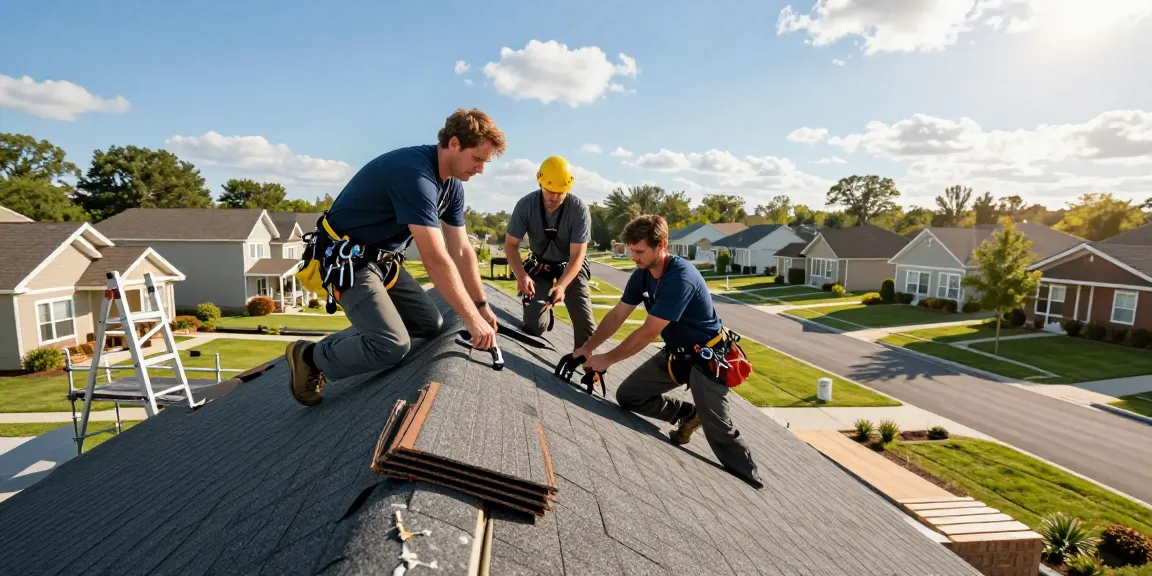
Understanding the Role of Roofing Contractors
Roofing contractors serve as the backbone of the roofing industry, providing essential services that ensure the integrity and safety of our homes and commercial buildings. These professionals specialize in the installation, repair, and maintenance of various roofing systems, utilizing their expertise to protect properties from the elements. When exploring options, roofing contractors can provide comprehensive insights that can help homeowners make informed decisions about their roofing needs.
What Are Roofing Contractors and Their Services?
Roofing contractors are skilled professionals who manage and execute roofing projects, including installation, repair, and maintenance. Their services typically encompass:
- New Roof Installation: Contractors assess building structures and choose the appropriate roofing material, ensuring proper installation according to industry standards.
- Roof Repair: Whether dealing with leaks or damaged shingles, roofing contractors offer repairs that extend the lifespan of a roof.
- Roof Inspections: Regular inspections help identify potential issues before they escalate into costly repairs.
- Maintenance Services: Routine maintenance ensures optimal performance and durability of the roofing system.
- Emergency Services: Many contractors provide emergency repairs following severe weather events.
Types of Roofing Systems Offered by Contractors
Roofing contractors can work with various materials, catering to diverse aesthetic preferences and functional requirements. Common types of roofing systems include:
- Asphalt Shingles: Widely used due to their affordability and ease of installation.
- Metal Roofing: Known for durability and energy efficiency, metal roofs can last 40 to 70 years.
- Tile Roofing: Popular for its aesthetic appeal and longevity, especially in warmer climates.
- Flat Roofing: Commonly used on commercial buildings and urban homes, flat roofs require specialized materials to manage water drainage.
- Green Roofing: An innovative solution that incorporates vegetation, offering eco-friendly advantages.
Importance of Hiring Professional Roofing Contractors
The stakes are high when it comes to roofing projects. Hiring a professional contractor ensures that the job is done correctly, reducing the risk of future issues. Key advantages include:
- Expertise: Contractors possess the necessary skills and experience to tackle a variety of roofing challenges.
- Compliance with Regulations: Professionals are familiar with local building codes, ensuring that all work is compliant.
- Insurance and Warranties: Licensed contractors typically offer warranties for their work, giving homeowners peace of mind.
- Safety: Roofing can be dangerous, and trained professionals understand how to work safely at heights.
Key Strategies for Hiring the Best Roofing Contractors
Finding the right roofing contractor can significantly impact the outcome of your project. Here are some essential strategies to help you make a well-informed choice:
Evaluating Contractor Credentials and Experience
Start by verifying the contractor’s credentials. Look for licenses, insurance, and bonding to ensure that the contractor is qualified to perform roofing work in your area. Experience matters; contractors with a proven track record are often more reliable and able to handle potential challenges that may arise during your project.
Questions to Ask Potential Roofing Contractors
When interviewing potential contractors, asking the right questions is crucial. Consider inquiring about:
- How long have you been in the roofing business?
- Can you provide references from previous clients?
- What types of roofing materials do you recommend?
- Do you offer warranties on your work?
- How will you handle unexpected issues during the project?
Understanding Contract Terms and Estimates
Always request written estimates from contractors. This documentation should clearly outline the scope of work, material costs, labor charges, and project timelines. Carefully review the contract to ensure there are no hidden fees and that the terms align with your expectations.
Common Challenges with Roofing Projects
Roofing projects can come with their share of challenges. Being aware of these issues can help homeowners navigate them more effectively:
Identifying Potential Issues During Roof Installation
During installation, problems such as improper alignment, insufficient ventilation, and inadequate waterproofing can occur. It’s essential to work closely with your contractor to ensure every aspect meets quality standards and industry practices.
Understanding Local Building Codes and Regulations
Local building codes guide the materials and methods that can be used in roofing projects. Contractors should have a comprehensive understanding of these regulations to ensure that your project complies with all legal requirements.
Managing Weather-Related Delays and Problems
Weather can significantly impact roofing projects. Contractors should be prepared to adapt to changing conditions and communicate any potential delays or necessary adjustments to the project timeline.
Best Practices for Roof Maintenance and Care
Regular maintenance is key to extending the life of your roof. Here are some best practices recommended by roofing contractors:
Routine Inspection and Maintenance Tips by Roofing Contractors
Homeowners should schedule inspections at least once or twice a year. During these inspections, contractors will look for signs of wear and tear, damaged shingles, and debris buildup that could hinder drainage.
Signs Your Roof Needs Repairs or Replacement
Be vigilant about the signs that indicate your roof may require repairs or even replacement. These may include:
- Visible sagging in the roofline.
- Water stains or discoloration on interior ceilings.
- Missing or damaged shingles.
- Increased energy bills due to poor insulation.
Seasonal Maintenance Tasks for Homeowners
Different seasons bring unique challenges for roofing. Homeowners should perform specific maintenance tasks, such as clearing gutters in the fall, checking for ice dams in winter, and inspecting for leaks in spring after storms.
Future Trends in Roofing Services for 2026 and Beyond
The roofing industry is evolving, influenced by advancements in technology and environmental considerations. Keeping an eye on these trends will help homeowners make informed decisions:
Emerging Roofing Technologies and Innovations
Innovations such as drone inspections and thermal imaging technology are changing how contractors assess roof conditions. These technologies allow for more efficient inspections and accurate assessments of roofing systems.
Eco-Friendly Roofing Solutions and Sustainability Practices
As sustainability becomes a priority, many contractors are incorporating eco-friendly materials and practices, including solar panels, green roofs, and recycled roofing materials.
The Impact of Climate Change on Roofing Decisions
With climate change leading to more extreme weather conditions, roofing decisions are becoming increasingly focused on durability and resilience. Homeowners should consider materials and systems designed to withstand harsher climates.
What should I look for in a roofing contractor?
Look for experience, licensing, insurance, references, and a good reputation within the community. A thorough interview process can help you gauge their expertise and reliability.
How can I verify a roofing contractor's license?
Most states maintain a database of licensed contractors. You can typically verify a contractor’s license by visiting your local government website or requesting documentation directly from the contractor.
What types of roofing materials are the most durable?
Some of the most durable roofing materials include metal roofing, slate, and tile. Each has its unique advantages in terms of longevity and resistance to environmental factors.
How often should I have my roof inspected?
It’s recommended to have your roof inspected at least once a year and after any severe weather events to identify potential issues that could lead to costly repairs if left unaddressed.
What are the signs of a failing roof?
Signs of a failing roof can include visible sagging, leaks, missing shingles, and significant wear over time. Prompt attention to these issues is essential to avoid larger problems down the road.