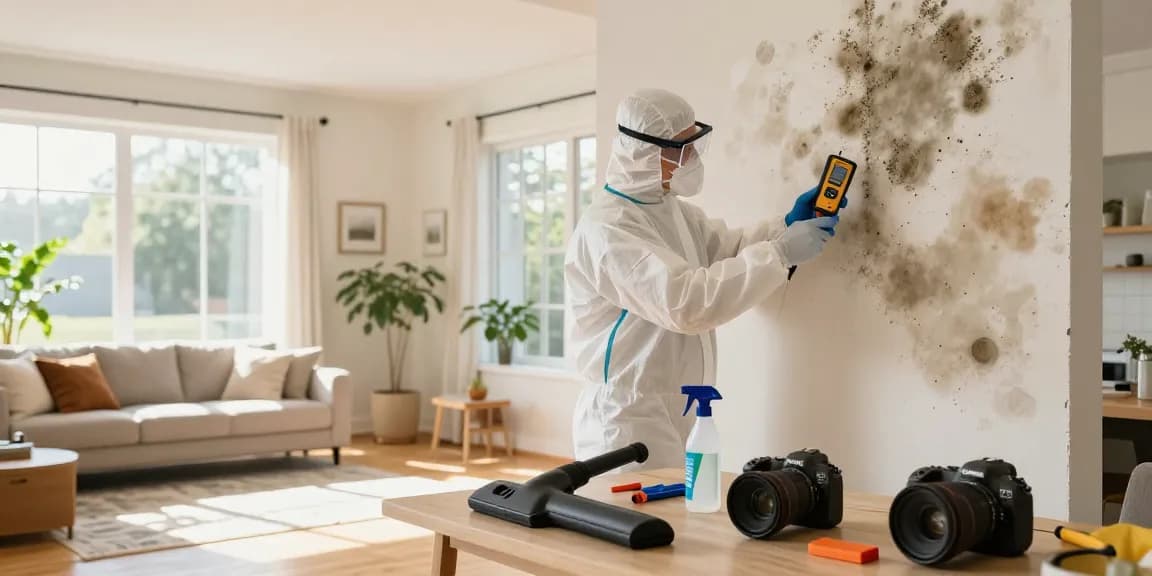
Understanding the Importance of Mold Remediation in North Vancouver
In the moist climate of North Vancouver, mold can thrive in homes and businesses alike, posing significant health risks and structural challenges. Mold remediation is a critical process that not only ensures the safety of your environment but also protects your property value. Understanding the nuances of mold growth and remediation can empower homeowners and business owners to take proactive measures against this pervasive issue. When exploring options, Mold Remediation North Vancouver provides comprehensive insights into effective techniques and preventive strategies tailored to this unique coastal climate.
What Is Mold Remediation and Why Does It Matter?
Mold remediation is the systematic process of identifying, containing, and removing mold infestations from indoor environments. The significance of this process cannot be overstated, particularly in regions like North Vancouver where humidity and seasonal rainfall create ideal conditions for mold proliferation. Without prompt and effective remediation, mold can not only damage building materials but can also lead to serious health complications for occupants.
Health Risks Associated with Mold Exposure
Exposure to mold can result in a range of health issues, particularly for sensitive individuals, including:
- Allergic reactions such as sneezing, runny nose, and skin rashes
- Respiratory problems like asthma attacks and chronic coughing
- Nasal congestion and sinus infections
- Fatigue and neurological issues in severe cases
These health risks underscore the importance of addressing mold issues swiftly and thoroughly, ensuring a safe living environment.
Climate Factors Contributing to Mold Growth in North Vancouver
North Vancouver's climate is characterized by wet winters and humid summers, creating an environment ripe for mold growth. Factors such as:
- High humidity levels
- Frequent rain and damp conditions
- Poor ventilation in buildings
All contribute to mold thriving in both residential and commercial properties. Understanding these conditions is critical for developing effective mold prevention and remediation strategies.
Identifying Mold Growth: Key Signs and Situations
Being able to identify mold growth early can save homeowners from extensive damage and costly remediation efforts. Here are key signs that mold could be present in your home:
Visual Indicators of Mold in Your Home
Common visual signs of mold include:
- Black or green spots on walls, ceilings, or carpets
- A persistent musty odor
- Water stains or discoloration
- Peeling paint and wallpaper
Common Areas in Homes Where Mold Hides
Mold often hides in areas with consistent moisture. Common locations include:
- Behind walls, particularly in bathrooms and kitchens
- Underneath sinks and appliances
- In basements and crawlspaces
- Around windows and door frames
Assessing Moisture Levels and Their Impact on Mold
Moisture levels play a critical role in mold growth. Use a moisture meter to check levels in suspect areas. Ideally, indoor humidity should be kept between 30-50% to prevent mold growth. Regular monitoring can help catch potential problems before they escalate.
The Mold Remediation Process Explained
Understanding the steps involved in mold remediation can help demystify the process and alleviate concerns for property owners.
Step-by-Step Guide to Effective Mold Remediation
The mold remediation process typically includes the following steps:
- Assessment: Inspect the property to identify mold presence and water sources.
- Containment: Seal off affected areas to prevent spore dissemination during cleanup.
- Filtration: Use HEPA filters and air scrubbers to capture airborne mold spores.
- Removal: Safely remove mold-infested materials and thoroughly clean surfaces.
- Restoration: Repair any water damage and restore affected areas to pre-mold condition.
Tools and Techniques Used by Professionals
Professionals rely on advanced tools and methods, including:
- Moisture meters to detect hidden dampness
- Thermal imaging cameras to find moisture behind walls
- Antimicrobial agents to eliminate mold spores and prevent regrowth
- Personal protective equipment (PPE) to safeguard workers
Understanding the Role of Antimicrobial Treatments
Antimicrobial treatments are essential in mold remediation, as they kill mold spores on contact and help prevent future growth. These treatments are typically applied after the removal of contaminated materials to ensure a comprehensive clean.
Cost Factors for Mold Remediation in North Vancouver
Understanding the costs associated with mold remediation can prepare homeowners for the financial implications of this essential service.
What Influences Mold Remediation Costs?
The cost of mold remediation can vary widely based on several factors, including:
- The extent of the mold infestation
- The type of mold present
- The materials requiring removal
- Accessibility and location of mold-infested areas
Insurance and Mold Remediation: What You Need to Know
Many homeowners' insurance policies cover mold remediation, but coverage can vary. It's essential to review your policy and consult with your insurance agent to understand your coverage for mold-related claims.
Budgeting for Future Mold Prevention
Setting a budget for routine inspections and preventative measures can save property owners from unexpected costs associated with mold remediation. Investing in regular maintenance, such as HVAC system servicing and moisture control, is a proactive approach to mold prevention.
Preventative Measures to Avoid Mold Growth in the Future
Once mold has been removed, taking steps to prevent its return is crucial for safeguarding your home.
Best Practices for Moisture Control in Your Home
Effective moisture control practices include:
- Utilizing exhaust fans in high-moisture areas like kitchens and bathrooms
- Fixing leaks and ensuring proper drainage around the home
- Investing in a dehumidifier for humid months
Regular Maintenance Tips to Keep Mold at Bay
Regular maintenance is key to mold prevention. Tips include:
- Conducting regular inspections for leaks or water damage
- Cleaning gutters and ensuring proper water drainage
- Maintaining adequate ventilation in attics and crawlspaces
When to Call Professionals for Mold Inspections
If you suspect mold presence, especially in hidden areas, or if you experience health issues related to respiratory problems, it’s prudent to call professionals for a thorough inspection.
How Can You Tell If Mold Remediation Was Successful?
Signs that mold remediation has been effective include:
- Absence of mold growth in inspected areas
- No musty odors present
- Improved indoor air quality and reduced humidity levels
What to Do If Mold Returns After Remediation?
If mold reappears after remediation, it’s crucial to address it immediately. Consult with your remediation team to reassess the situation, identify the underlying moisture issue, and implement additional preventative measures.